Neuron & Rose’s Doctoral Trainee Program

Wondering What a Doctoral Student is?
FAQ: info on students, training, oversight, and our program from a therapy and evaluations-participant-informed perspective
-
Nope. Practicum students are doctoral-level clinicians in advanced training, not beginners. They’ve completed years of graduate coursework, often hold a master’s degree, and have prior clinical experience before ever working with participants here.
Also—and this part matters—nothing happens without licensed oversight. Every case is closely supervised by Dr. Hannani or Dr. Hogan from start to finish.
-
Absolutely. Each practicum student is paired directly with Dr. Melody Hannani or Dr. Jessica Hogan, who review assessment plans, discuss cases regularly, and ensure care is accurate, ethical, and neuroaffirming.
Think of it as team-based care, not a solo act.
-
The quality is high—full stop. In many ways, practicum care is extra thorough because multiple clinicians are thinking carefully about your care, assessments, and feedback.
You get more eyes, more discussion, and more intention—not shortcuts.
-
Depending on your needs, services may include:
Psychological and neurodiversity-affirming assessments
Feedback sessions that center strengths and lived experience
Therapy or space to explore goals, identity, and personal growth
All services follow the same neuroaffirming, trauma-informed values as the rest of our practice.
-
Sometimes, yes, but always and only with your consent and transparency. Observation and review are part of how students learn, but your comfort, dignity, and boundaries always come first. You’ll be informed ahead of time and can ask questions or voice concerns at any point.
-
Because good clinicians don’t magically appear fully formed. This program helps train the next generation of ethical, neuroaffirming psychologists—and does so in a way that prioritizes participant care, collaboration, and respect.
You’re not being used for training—you’re being cared for within a training model that values thoughtfulness and accountability.
-
If you value:
Strengths-based, neuroaffirming care
Thoughtful assessment and feedback
Collaborative, relational work
A slower, more intentional approach
…then the practicum program may be a great fit.
If you prefer a faster or more directive model, we’re happy to help you explore other options within the practice or give you a trusted referral.
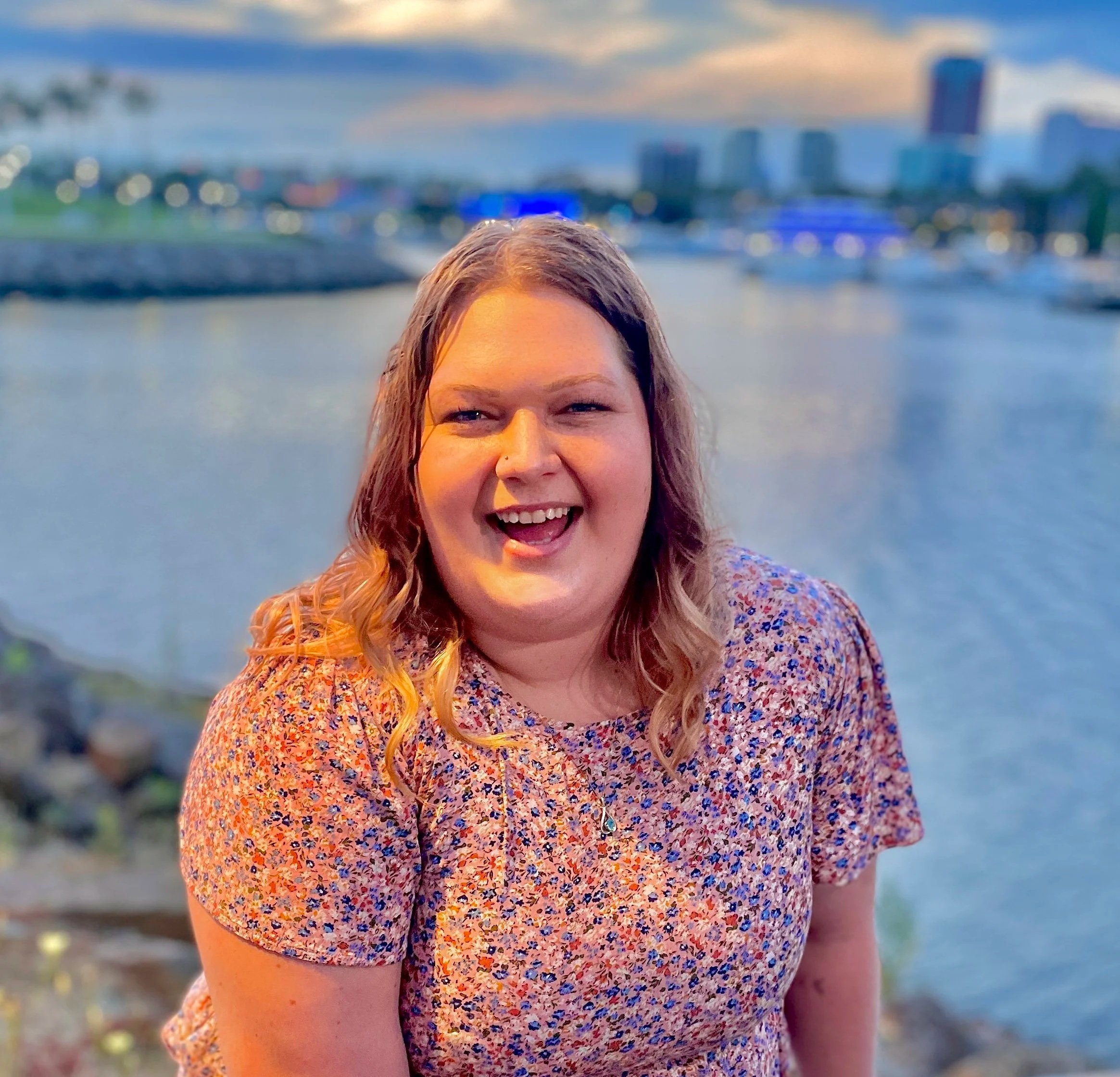
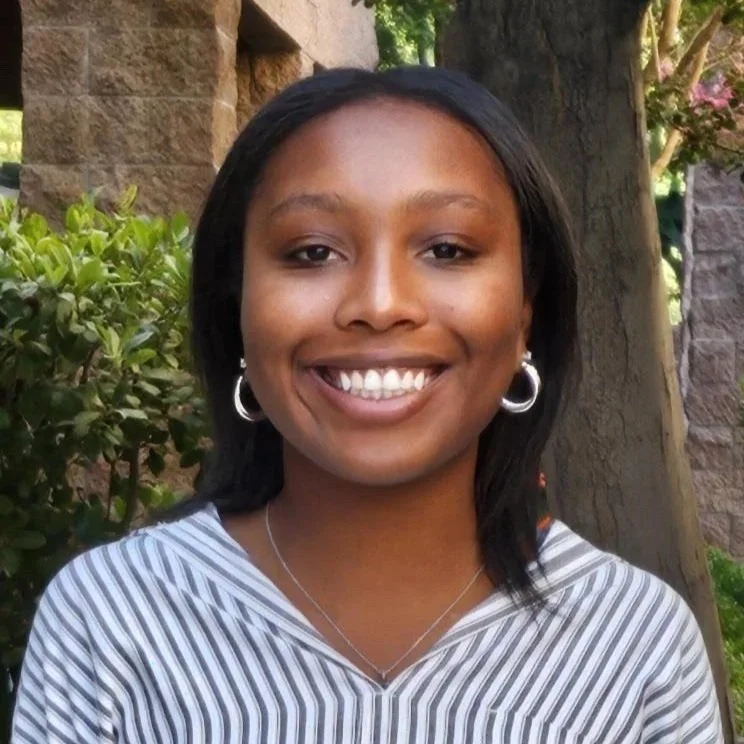
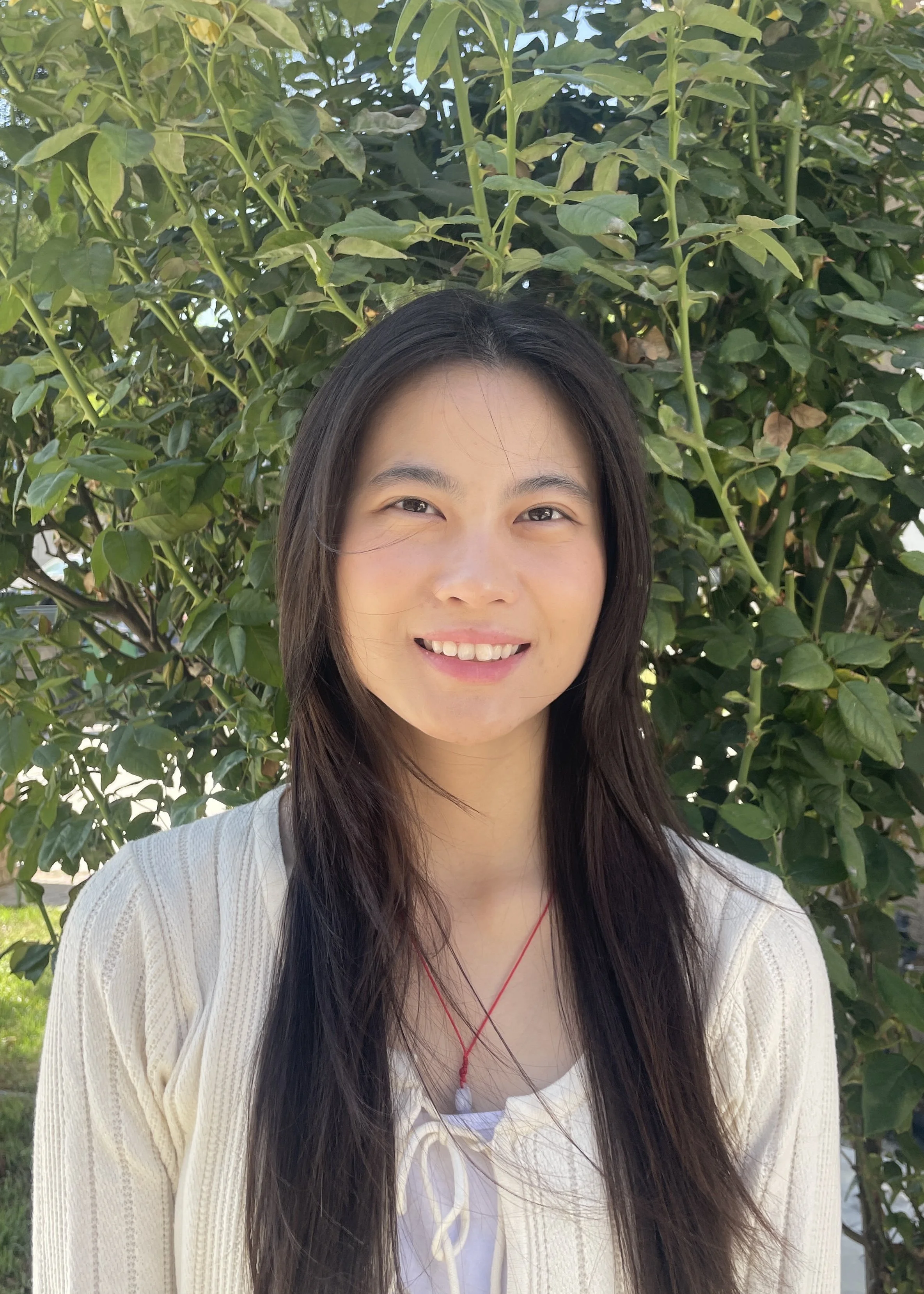
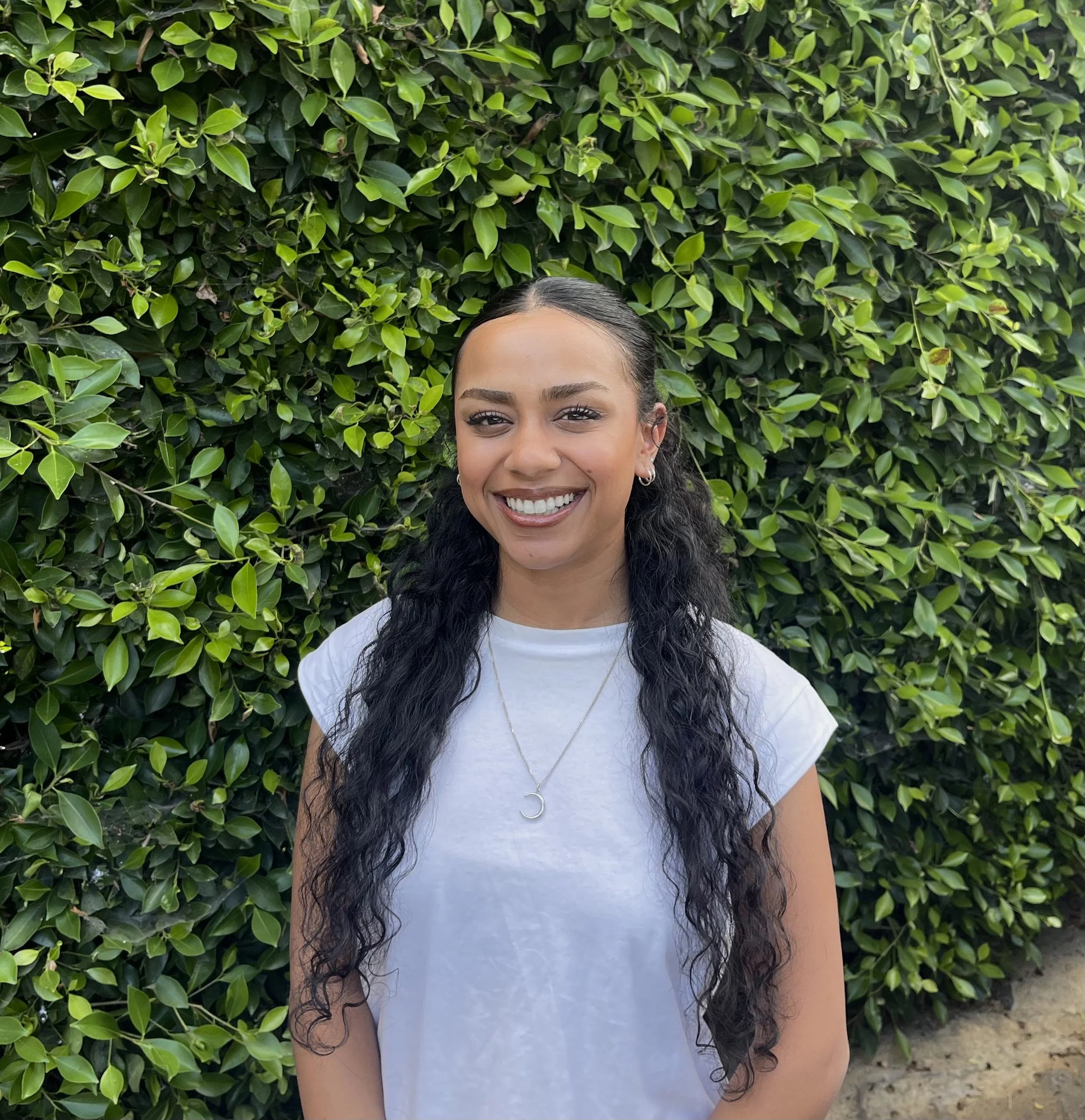
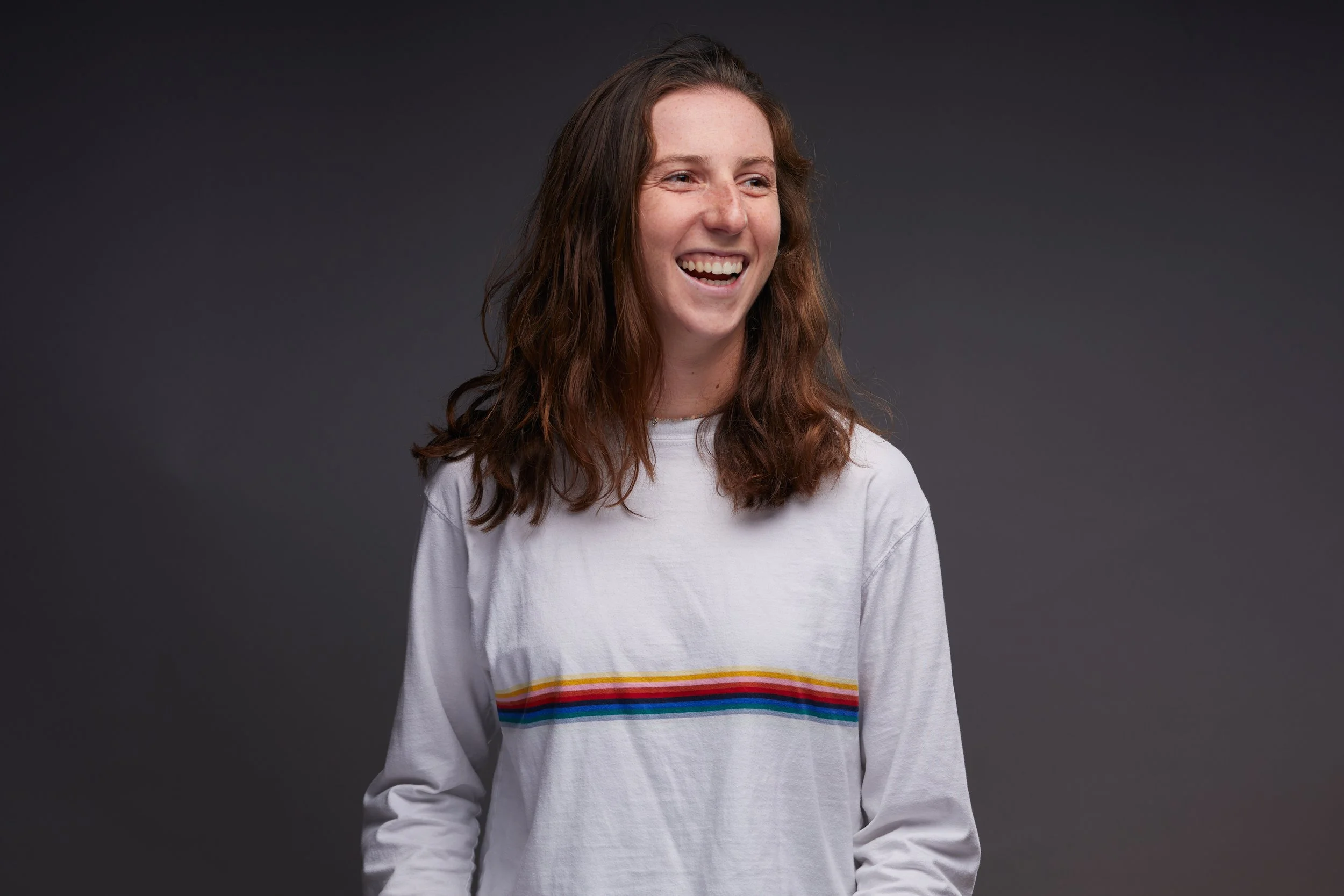
Our Current Doctoral Trainees
-
![]()
Addie Ehlenberger, MA
-
![]()
Sabrina Alexis
-
![]()
Sarah Yang, MA
-
![]()
Maya Desi
-
![]()
Chloe Towns, MA
-
![]()
Camille Laksman, MA

Doctoral Trainees Speak:
Clinical Psychology Externship Experiences
