5 Ways Neurodivergent Folks Can Use Tarot & Rituals for Self-Connection This Halloween
For many neurodivergent people, there’s a natural attunement to energies that exist beyond the surface—an intuitive sensitivity to the unseen, the symbolic, and the deeply felt. Halloween, with its liminal energy and mystical undertones, offers a unique opportunity to lean into that connection.
More than just costumes and candy, this season invites us to explore rituals like tarot, astrology, and meditation—not as spooky entertainment, but as powerful tools for grounding, self-awareness, and inner care.
Here are five ways to bring a little magic into your October in ways that honor your neurodivergent needs, strengths, and intuitive brilliance.

1. Pull a Daily Tarot or Oracle Card
Tarot doesn’t have to be complicated. Try pulling one card each day during October and reflecting on what it means for you. You might journal about it, sketch the imagery, or simply sit with the symbolism.
✨ Why it helps: Neurodivergent brains often thrive on patterns and meaning-making. A single card offers a gentle focus point without pressure, and the ritual of pulling a card each day adds predictability.
2. Create a Sensory-Friendly Ritual Space
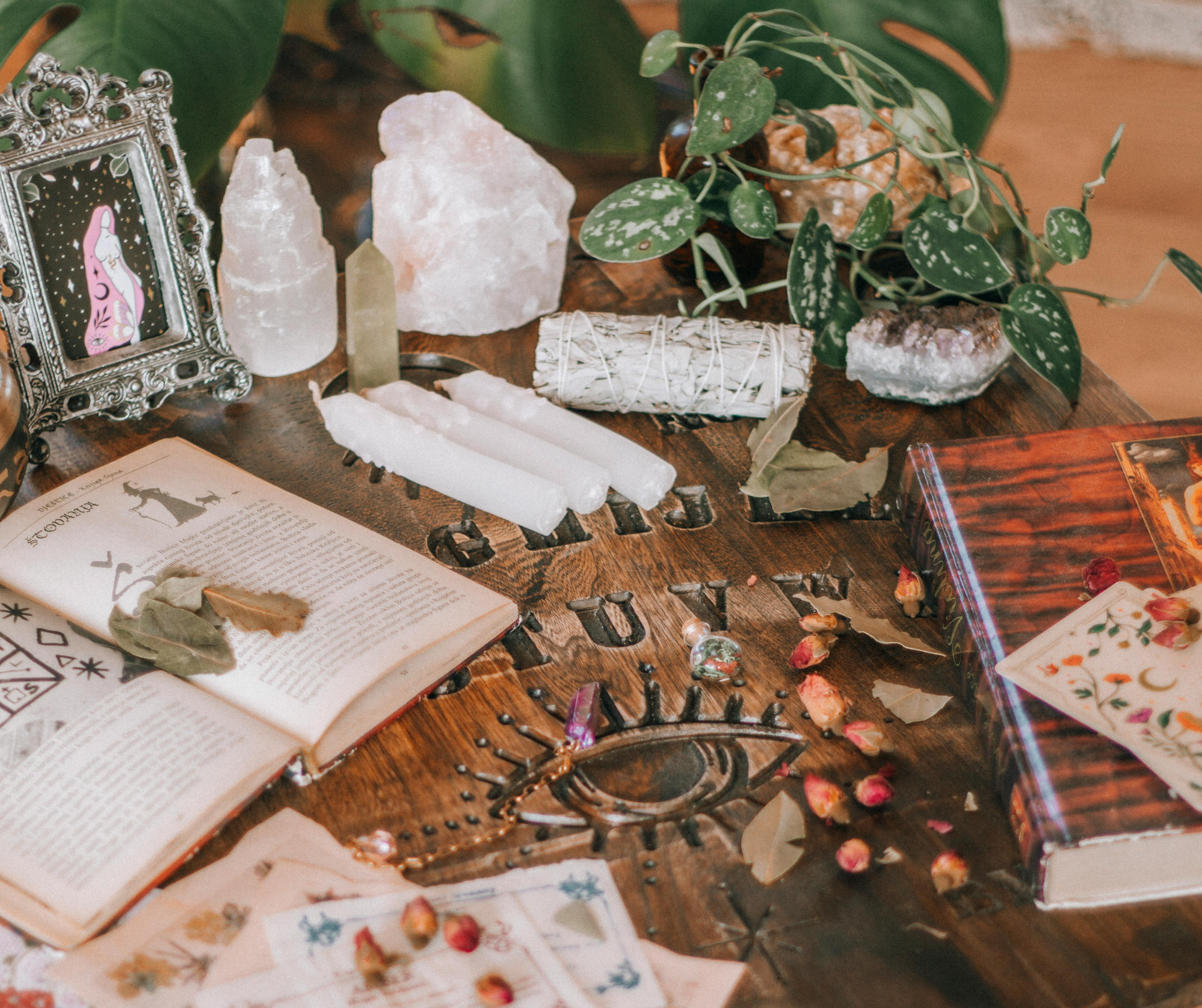
Build a corner of your room (or even a single shelf) that feels cozy and magical. Add sensory elements you love: flickering candles (or LED ones if flames are too much), textures like velvet or crystals, soothing scents, or calming sounds.
✨ Why it helps: Ritual spaces give your brain and body cues that it’s time to slow down, ground, and connect. They can be a sanctuary when the world feels overwhelming.
3. Use Astrology for Self-Reflection, Not Rules
Look up your sun, moon, and rising signs—or explore what’s happening in the sky this October. Instead of taking it as rigid prediction, use astrology as a mirror: what resonates, and what doesn’t? What might this symbolism say about your needs right now?
✨ Why it helps: Astrology offers structure while leaving room for interpretation, which can feel supportive rather than restrictive. It’s also a way to affirm complexity: you contain multitudes, and that’s a good thing.
4. Write Your Own “Halloween Spell”
Your spell doesn’t have to be elaborate. It can be a few sentences written with intention, like: “I release what no longer serves me and welcome peace and belonging.” Say it aloud, burn it safely, or tuck it under a candle as a private ritual.
✨ Why it helps: Writing a spell can turn thoughts into action, helping externalize worries and anchor affirmations. It’s a neurodivergent-friendly way to use creativity for emotional processing.
5. Celebrate Your Own Magic
At its core, Halloween is about transformation and imagination. Whether you’re in a full costume, sipping pumpkin tea, or simply gazing at the moon, take a moment to affirm: my neurodivergence is magic.
✨ Why it helps: Too often, neurodivergent traits are framed as problems. Rituals and mystical practices flip the script, reminding you that your different way of seeing the world is powerful and worthy of celebration.
Final Thought
Don’t let the unknown intimidate you. Tarot and rituals are simply tools and you have full permission to adapt them in whatever way feels supportive and right for your unique needs.
This Halloween, let your intuition lead, your sensory joys guide you, and your inner magic shine. Whether it’s pulling a single card, setting an intention, or carving out quiet time for reflection, your way of practicing grounding self-connection is valid and powerful.
And if you’re ready to explore deeper support, we’re here to walk with you. At Neuron & Rose Psychology, we specialize in helping neurodivergent individuals connect with their strengths, gain clarity, and feel seen. You deserve support that honors who you are—Contact us today to begin your journey.
Disclaimers:
Land Acknowledgment: We live and work on the unseated territories of the Wahpekute and Chumash peoples, we pay respects to their elders past and present. We encourage folks to explore the ancestral lands they live and work on, and to learn about the Native communities that live there, the treaties that have been broken. If folks feel called, we encourage them to consider taking actions to support Native communities, reparations, and land back movements (see other resources at the end for more info).
A note on language: The language in the DSM, including the use of the word disorder (D in acronym), some find this harmful, while others prefer the language “disorder.” When this language is used, it is because, as mental health professionals, we need to use this same language when referring to “diagnoses” in the DSM. In addition some Autistics find the use of the level system helpful in identifying the level of support needed, while others view it as an overly simplistic way of defining something that’s fluid, and may feel it’s harmful and minimizing. The beauty is that each individual gets to choose what language feels validating and affirming to them. Inspired by Dr. Jennifer Mullan, we use the term, “therapy participant” rather than “client” or “patient,” as we work toward decolonizing therapy.
Educational Purposes: The information presented here is for educational purposes, and not meant to diagnose, treat or cure medical conditions or challenges, including neurodivergence (including mental health challenges), or physical health.