Mutual Aid as a Shield Against Ableism in Our Communities
Ableism doesn’t always announce itself loudly. Sometimes it shows up as policies that assume everyone has the same energy, communication style, sensory tolerance, or executive functioning. Other times it’s quieter—an eye roll when you ask for clarification, a “just try harder,” a system that only works if your nervous system never falters.
For neurodivergent people, especially disabled, chronically ill, and AUDHD folks, ableism isn’t abstract. It’s baked into how resources are distributed, how care is rationed, and whose needs are seen as “reasonable.”
This is where mutual aid comes in—not as charity, but as protection.
What Mutual Aid Actually Is (and Isn’t)
Mutual aid is often misunderstood as informal generosity or community volunteering. In reality, it’s a collective survival strategy rooted in solidarity rather than hierarchy. Mutual aid recognizes that systems routinely fail marginalized people—and instead of waiting to be rescued, communities build parallel structures of care.
Unlike charity, mutual aid is not conditional. There’s no moral test, no requirement to prove productivity, gratitude, or worthiness. Needs are met because needs exist.
For neurodivergent communities navigating ableism, that distinction matters deeply.
Ableism Thrives in Isolation
Ableism works best when people are isolated from one another. When everyone is forced to individually negotiate inaccessible systems, burnout and shame flourish. People begin to believe their struggles are personal failures rather than predictable outcomes of systems never designed for them.
Mutual aid disrupts this narrative.
When communities share resources—whether that’s food trains, rides to appointments, financial support, childcare swaps, sensory-friendly spaces, or simply shared knowledge—people stop having to perform competence to survive. Support becomes relational instead of transactional.
That shift alone is radical.
Mutual Aid as Nervous System Care
For many neurodivergent people, ableism is experienced not just cognitively but physiologically. Chronic overwhelm, hypervigilance, shutdowns, and burnout aren’t individual pathologies—they’re nervous systems responding to relentless pressure.
Mutual aid reduces that load.
Knowing you don’t have to face everything alone changes how your body moves through the world. Shared care allows nervous systems to downshift. It creates predictability, safety, and repair—things many disabled and neurodivergent people are rarely offered.
This is especially true for AUDHD folks, whose needs are often contradictory and misunderstood. Mutual aid spaces tend to allow flexibility: multiple communication styles, fluctuating capacity, and consent-based participation.
You don’t have to earn rest there.
Collective Access Is Collective Power
Access isn’t just ramps and captions—though those matter. Access is time, flexibility, understanding, and the assumption that people are doing their best with the nervous systems they have.
Mutual aid fosters what disability justice activists call collective access: the idea that access is something we create together, dynamically, rather than something individuals must request and defend.
When access is collective, the burden shifts off the individual. You’re no longer the “problem” for needing accommodations—the system adapts because community members care about one another surviving.
That’s a powerful shield against ableism.
Mutual Aid Isn’t Perfect—and That’s Okay
Mutual aid spaces are still made up of humans. Conflict happens. Capacity fluctuates. People mess up.
But unlike traditional systems, mutual aid allows for repair instead of punishment. Needs can be renegotiated. Boundaries can be honored. Rest can be prioritized without threat of abandonment.
That flexibility is precisely what makes it accessible.
Why This Matters Now
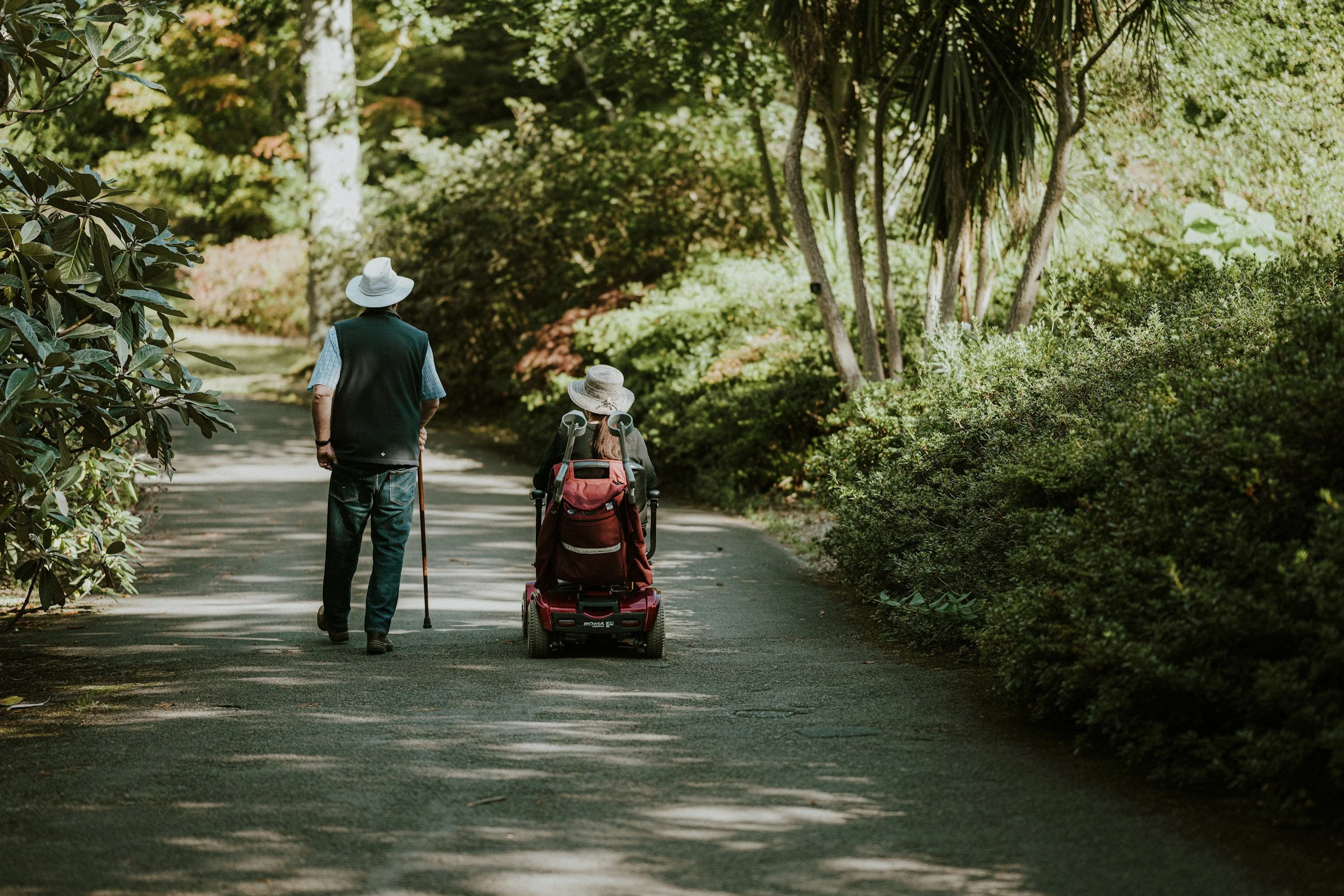
In times of political instability, systemic violence, and shrinking social safety nets, disabled and neurodivergent people are often the first to be cut off from support. Mutual aid becomes not just helpful, but essential.
It is a way of saying: We will not let ableism decide who gets to survive.
At Neuron and Rose Psychological Services, we believe healing doesn’t happen in isolation. Therapy is one piece of the puzzle—but community care, mutual aid, and collective support are just as vital. We encourage clients to seek, build, and sustain networks of care that reflect their values and needs.
Because ableism thrives when people are alone—and with mutual aid, we’re not.
If this piece resonated, consider taking one small step toward collective care:
Plug into a local Minnesota mutual aid group
Share resources instead of reinventing the wheel
Ask for help without justifying your worth
Mutual aid isn’t charity—it’s community self-defense.
At Neuron and Rose Psychological Services, we support neurodivergent folks navigating burnout, systemic ableism, and the deep nervous-system toll of doing everything alone. Therapy can be a place to unpack shame, rebuild trust in community, and
Contact us today to get connected with Neuron and Rose Psychological Services, and if therapy isn’t accessible right now, seek out Minnesota-based mutual aid networks doing life-saving work in real time.

