
Black History Month: Mental Health, Resistance, and the Work Still Ahead
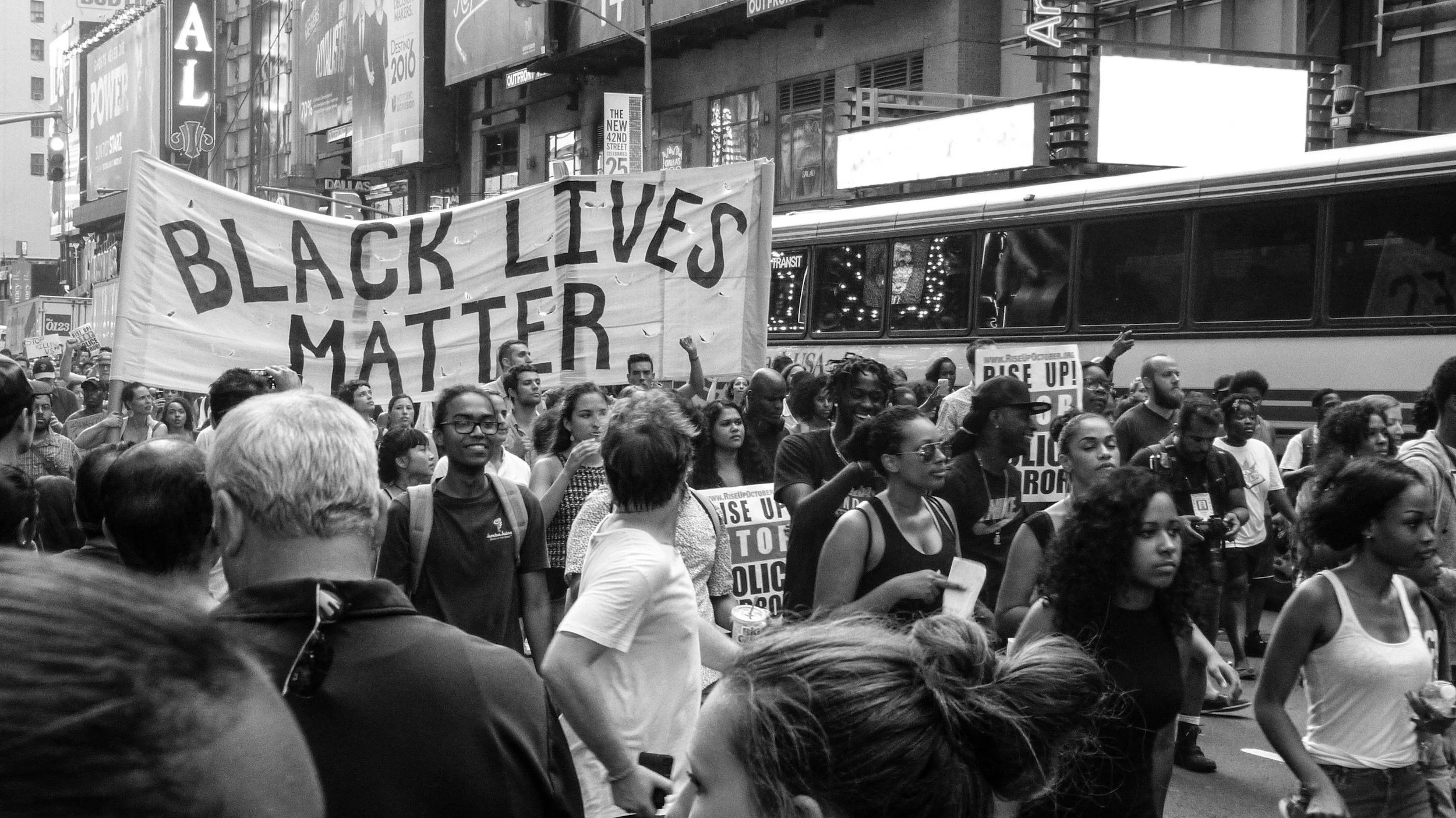
February is Black History Month—a time that should push us beyond surface-level celebration and toward honest reckoning with what Black communities have endured, built, and continue to fight for.
Black history in America is a chronicle of survival under systems designed to break people: enslavement, lynching, Jim Crow, redlining, mass incarceration, police violence. These weren't isolated events—they were deliberate structures of oppression that span generations. The psychological toll of that violence doesn't disappear when laws change. It lives in the body. It shows up in hypervigilance, in the exhaustion of code-switching, in the weight of having to prove your humanity again and again.
Psychology as a profession has failed Black people. For decades, the field pathologized Black behavior through a white gaze, using flawed research to justify racist stereotypes. Black patients were overdiagnosed with schizophrenia, dismissed as hostile, or denied care altogether. Even today, Black children are more likely to be labeled with behavioral disorders while their white peers with similar symptoms receive different, less stigmatizing diagnoses. The mistrust many Black people feel toward therapy isn't paranoia—it's pattern recognition.
But Black history isn't just a history of what was done to people. It's a history of what people did—what they created, preserved, and passed down despite everything. Mutual aid networks. Barbershops and beauty salons as sites of care and political organizing. Black churches as sanctuaries. The blues, jazz, and hip-hop as archives of collective pain and joy. Sunday dinners. Family reunions. Elders who held trauma so their children wouldn't have to, even when that silence came at a cost.
These practices are mental health interventions, even if they've never been called that. They represent adaptive responses to chronic adversity—community care in the face of institutional neglect. Black people have been doing the work of psychological resilience long before the field of psychology acknowledged it.
The mental health disparities Black communities face today are not coincidental. They're the predictable result of inequitable systems. Black Americans are less likely to have access to mental health care, more likely to face discrimination within healthcare settings, and more likely to experience the chronic stress of racism—what researchers call racial trauma. Financial barriers matter. So does the shortage of Black therapists. So does the reality that many practitioners simply aren't trained to understand how racism operates as a social determinant of health.
At Neuron and Rose Psychological Services, we're committed to something different. That means more than hanging up a poster in February. It means ongoing education about how white supremacy shapes mental health outcomes. It means examining our own biases, recruiting and supporting Black clinicians, and creating a practice environment where Black clients don't have to explain racism to their therapist. It means understanding that healing from racial trauma requires more than individual coping strategies—it requires confronting the systems that cause harm in the first place.
This month also falls at a moment when the political landscape is increasingly hostile to Black communities and other marginalized groups. Authoritarian policies, the rollback of civil rights protections, and rising hate crimes create an environment of fear and instability. For Black people who have studied history—who know how quickly progress can be reversed—this isn't abstract. It's visceral. The hypervigilance, the grief, the anger: these are rational responses to a real threat.
Fascism depends on erasing history, controlling narratives, and isolating communities from one another. That's why this work matters. That's why mental health care that centers liberation, not just symptom management, is a form of resistance.
We need to talk about rest, too. Black communities have been conditioned to survive, to keep going, to carry everyone else's comfort while neglecting their own needs. Rest is not laziness. Joy is not frivolous. Protecting your peace is not selfish. Part of honoring Black history is honoring the right to exist beyond struggle—to experience pleasure, creativity, softness, and ease without having to earn it.

What You Can Do
If you're not Black, this month isn't about your learning journey or your comfort. It's about what you're willing to change.
Support Black therapists and mental health professionals. Seek them out. Refer clients to them. Pay them fairly. Advocate for their leadership in your professional spaces.
Donate to Black-led mental health organizations working to increase access and dismantle barriers. Put money behind the work.
Examine your own complicity. If you work in mental health, ask yourself: How am I perpetuating harm? Whose voices are missing from my case conceptualizations? Am I doing the work to understand racism as a public health crisis?
Show up beyond February. Read Black authors. Support Black businesses. Vote for policies that address systemic inequity. Speak up when you witness racism—especially in spaces where Black people aren't present to defend themselves.
If you're Black: prioritize yourself. You don't owe anyone your trauma narrative. You don't have to educate people who refuse to do their own work. Seek support from people who understand. Rest when you need to. Your well-being matters, and it's not contingent on productivity or palatability.
Black history is ongoing. The work is ongoing. Mental health justice is part of the larger fight for liberation. We're here for it—not just this month, but every day after.
If anything in this blog post resonates with you, contact us today to learn more about how we can help support you.

