Masking Isn’t a Superpower: What Camouflaging Really Costs Autistic Kids (and Teens)
What is masking (camouflaging) in autistic kids?
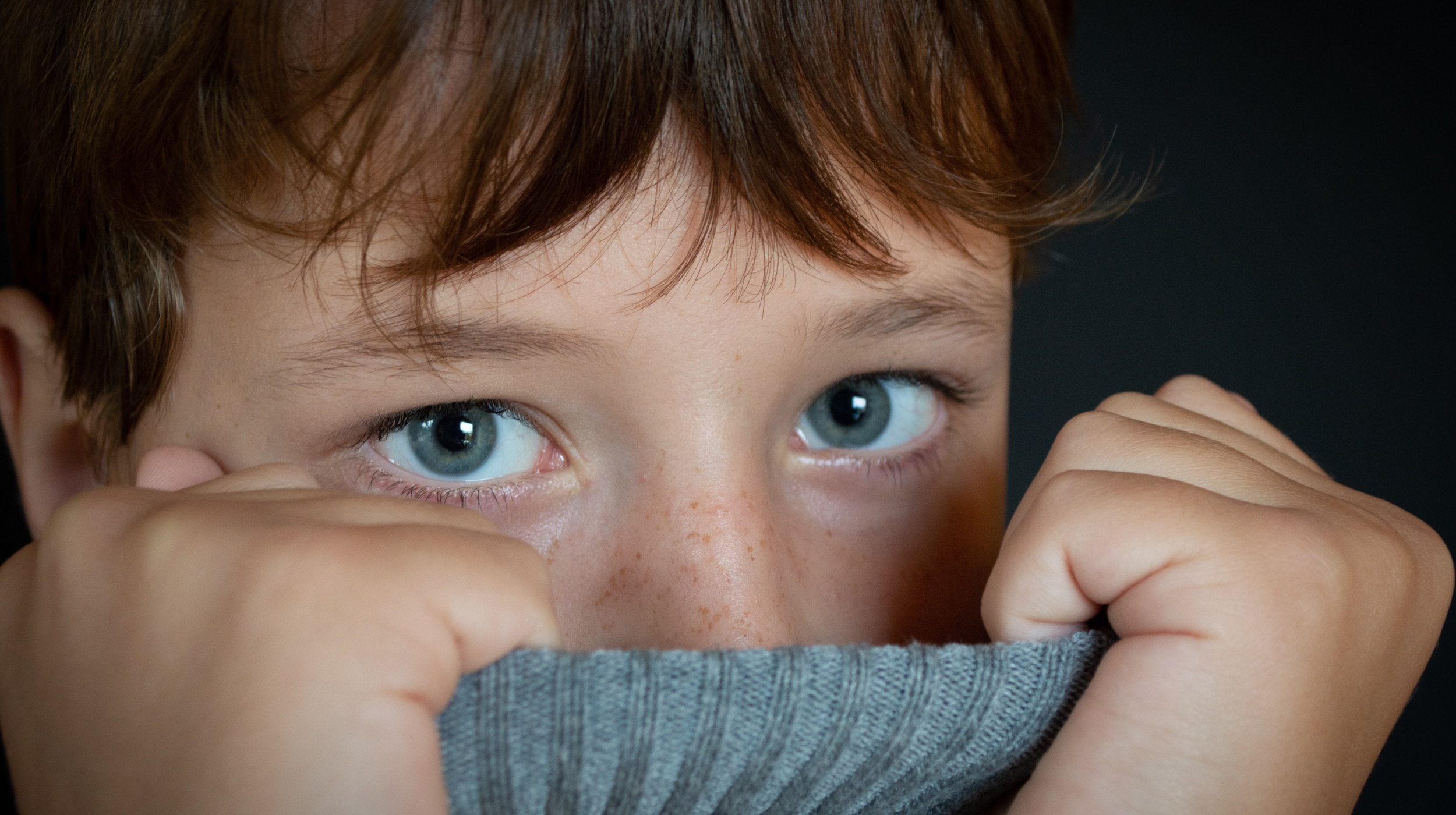
Masking—also called camouflaging—is when autistic kids and teens hide or override their autistic traits to blend in socially.
It can look like:
forcing eye contact when it feels awful
copying other kids’ facial expressions or tone
holding in stims until they’re alone
rehearsing “acceptable” ways to talk or respond
looking “totally fine” at school and then falling apart at home
And just to say it plainly: this is not a personality quirk. It’s not “good social skills.” It’s what happens when a kid learns, often very early, that being themselves comes with consequences.
Why do autistic kids mask?
Most kids aren’t masking because they’re trying to be impressive or socially strategic. They’re masking because it works.
It helps them:
avoid correction
avoid standing out
avoid being misunderstood
avoid getting in trouble
get through environments that don’t fit them
From a minority stress lens, this makes sense. If being visibly autistic is met with pressure, confusion, or punishment, kids adapt.
They learn to perform “okay-ness.”
What masking actually looks like in real life
This is where things often get missed. A child can look engaged, polite, verbal, socially responsive…and still be completely depleted.
Common patterns we see:
holding it together all day → melting down at home
looking “fine” in school → intense exhaustion afterward
shutting down after social demands
sudden irritability or emotional explosions once safe
needing long recovery time after everyday interactions
This is why masking gets missed so often. It’s effective. That’s the problem.
What the research is actually showing us
A 2026 study (Dighton & McAloon) looked at camouflaging in 662 autistic children and adolescents.
They compared what clinicians saw in structured settings with what parents saw at home.
When those two didn’t line up much, masking was likely happening. And what they found wasn’t subtle:
Kids who masked more were more likely to experience:
anxiety
depression
physical stress symptoms (headaches, stomach pain, fatigue with no clear cause)
behavioral distress like aggression or impulsivity
And importantly—this wasn’t random.
Internal distress tended to show up first → Behavior followed.
So when people say “they were fine at school but explosive at home,” what they’re often missing is the buildup that happened all day just to hold it together.
Who is doing the most masking?
We see consistent patterns in research and in clinical reality:
autistic adolescents mask more than younger children
autistic girls mask more than boys
autistic teen girls show some of the highest levels of camouflaging
But here’s where it gets more complicated—and more honest.
Masking is not evenly distributed. It’s shaped by context, identity, and safety.
Camouflaging isn’t just autism, it’s context
Masking shows up differently depending on what a child is navigating.
For example:
Autistic Black and racialized kids may face higher levels of behavioral surveillance, harsher interpretation of communication differences, and more frequent discipline for “tone” or “attitude,” which can intensify masking early and deeply
Autistic gender-diverse and trans youth may mask both autistic traits and gender expression to stay safe or avoid rejection
Kids in high-pressure school environments may learn quickly that performance matters more than regulation or comfort
Autistic kids with ADHD, learning differences, or chronic illness may be masking across multiple layers at once—social, cognitive, and physical
Cultural environments that prioritize compliance, politeness, or emotional restraint can unintentionally reward masking and penalize visible difference
So no—this isn’t just “some autistic kids mask more than others.”
It’s about what the environment allows, demands, and punishes.
And if we’re not looking at that context, we’re only seeing half the picture.
Is masking a coping skill?
It can look like coping, but it’s not neutral.
Masking often helps a child survive the moment while costing them later. It is:
exhausting
effortful
socially reinforced
emotionally suppressive
And over time, that cost adds up.
Not because the child is doing anything wrong, but because holding yourself in all day is not sustainable.
Why this matters clinically (and at home)
Masking changes what adults think is happening. Without context, we end up:
underestimating distress
missing autistic girls entirely
misreading shutdowns as “behavior problems”
confusing compliance with regulation
assuming “they’re fine” because they look fine
But nervous systems don’t lie just because presentations are polished.
Neuroaffirming support for autistic kids and teens
At Neuron and Rose Psychology, we offer neuroaffirming therapy and psychological assessment for autistic children, teens, and young adults.
We pay close attention to what often gets missed in standard settings, especially when masking makes distress harder to see.
We support:
neuroaffirming therapy for children and teens
anxiety, burnout, shutdowns, and emotional overwhelm
identity development and unmasking support
understanding differences between school and home presentations
If you’re noticing a gap between how a child looks in structured environments and how they are actually doing day to day, that gap matters.
👉 Connect with us to learn more about how we can support your child or teen: https://www.neuronandrosepsychology.com/contact
FAQ
-
Not really. Masking can look like coping from the outside, but internally it often involves sustained effort, stress, and emotional suppression.
-
Usually to avoid negative social consequences, reduce attention, and navigate environments that don’t fully accommodate autistic ways of being.
-
Yes. Research consistently links masking with anxiety, depression, burnout, and emotional exhaustion.
-
Because social expectations often place higher pressure on girls to appear socially fluent, emotionally regulated, and “easy to manage.”