
New Year's Resolutions Are Bullsh*t: A Neurodivergent Survival Guide

It's January, which means your Instagram feed is about to become a hellscape of sunrise alarm clocks, meal prep containers, and people who are definitely going to run a marathon this year (they won't).
The resolution industrial complex is firing up again, ready to sell you the fantasy that on January 1st, you'll magically transform into someone who enjoys kale and wakes up at 5 AM without wanting to fistfight the sun.
But here's the thing: if you're neurodivergent, disabled, or chronically ill, New Year's resolutions aren't just annoying—they're actively hostile to how your brain and body actually work.
Let's burn this whole concept down and build something that doesn't make you want to scream into a pillow.
The Ableist Bullsh*t Baked Into Resolutions
1. They Assume Your Battery Is Always Fully Charged
Traditional resolutions demand daily consistency: hit the gym, stick to the routine, show up the same way every single day.
Cool cool cool. Except your energy isn't a neat little line graph—it's more like a drunk stock market. Some days you're a productivity god. Other days, putting on pants feels like climbing Everest in flip-flops.
ADHD? Executive function is a suggestion, not a guarantee. Autistic? That holiday season just drained your social battery for the next fiscal quarter. Chronic illness? Your body literally has other plans.
When society treats inconsistency as a character flaw, it's just punishing disabled people for existing in bodies that don't perform on command.
2. They Worship at the Altar of Productivity
Most resolutions boil down to: work harder, optimize faster, become a more efficient human machine.
This is capitalism wearing a vision board as a mask.
Your worth isn't tied to your output. You're not a factory. You're a person—and if your brain operates differently, you're not broken. The system that demands constant optimization? That's what's broken.
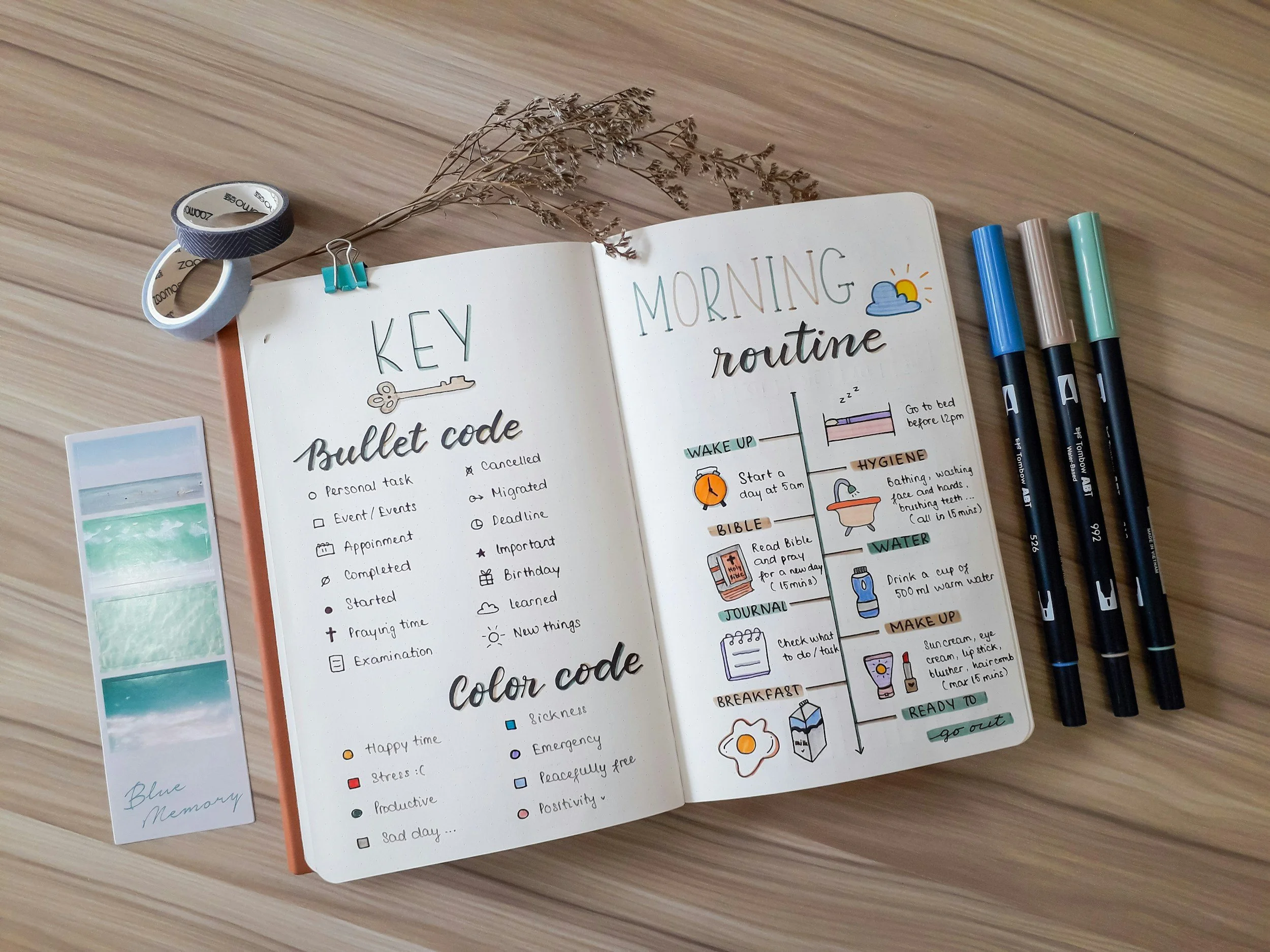
3. They Require Systems That Actively Hate Your Brain
Habit tracking! Bullet journaling! Time blocking! Waking up at dawn like some kind of deranged rooster!
These are the bread and butter of resolution culture—and they're also executive dysfunction's worst nightmare.
Time blindness doesn't care about your color-coded planner. Sensory overload doesn't give a damn about your 5 AM routine. And rigid schedules? They crumble the second life does literally anything unexpected (which is always).
When neurotypical systems fail you, the world says you failed. That's gaslighting with a motivational quote slapped on it.
4. They Force Everyone to Start at the Worst Possible Time
January 1st: the middle of winter, post-holiday burnout season, when your brain is soggy and your motivation is buried under six feet of snow.
But sure, this is when you're supposed to overhaul your entire life.
Autistic folks are recovering from weeks of forced social performance. ADHDers just lost all external structure. Everyone's tired, broke, and possibly still eating leftover cookies for breakfast.
Demanding uniform transformation on an arbitrary date, regardless of how humans actually function? Peak ableism.
The Alternative: Goals That Don't Want You Dead
You don't have to abandon growth. You just need to ditch the shame-based, one-size-fits-none resolution model.
Here's what actually works for neurodivergent brains:
1. Intentions Over Resolutions
Intentions are vibes, not rules. They point you in a direction without demanding perfection.
Resolution: "I will meal prep every Sunday and never eat takeout."
Intention: "I want to feel nourished without it becoming a whole-ass production."
Intentions leave room for bad brain days, energy crashes, and the reality that sometimes survival mode is the goal.
2. Seasonal Check-Ins Instead of January Chaos
Stop forcing massive changes on one random day. Check in with yourself every season (or month, or whenever).
Ask:
What do I actually have bandwidth for right now?
What feels sustainable, not performative?
What can I drop without guilt?
What support would actually help?
Work with your natural rhythms, not against them.
3. Low-Barrier Goals That Respect Your Executive Function
Make goals stupidly easy to achieve, especially on trash days.
Not "journal daily"—try "write one sentence when I remember"
Not "cook more"—try "keep three low-effort meals I can make half-conscious"
Not "exercise more"—try "move in ways that don't feel like punishment"
This builds self-trust instead of a shame spiral resume.
4. Design Around Your Access Needs, Not In Spite of Them
Traditional resolutions want you to pretend you're not disabled. Screw that.
Struggle with transitions? Build in buffer time and rituals that make starting less painful.
Executive function unpredictable? Create a menu of options instead of a rigid plan.
Sensory needs fluctuate? Make sure your goals work in multiple environments.
Your access needs aren't obstacles—they're the instruction manual everyone else ignored.
5. Celebrate Micro-Wins and Messy Progress
Progress isn't a straight line for anyone, but especially not for neurodivergent folks. You'll spike, plateau, regress, then suddenly level up at 3 AM on a Tuesday.
Celebrate the weird wins:
"I noticed I was overwhelmed and actually stopped before combusting"
"I tried a new strategy and it didn't immediately explode"
"I survived this week and that's genuinely impressive"
That's progress. That counts.
The Real Talk
New Year's resolutions pretend to be about self-improvement, but they're actually about conformity. They demand that disabled and neurodivergent people force themselves into a mold designed for someone else's brain.
A neurodivergent-friendly approach honors:
Fluctuating capacity (because you're not a robot)
Access needs (because accommodations aren't optional)
Seasons of life (because winter brain is real)
Self-trust (because shame is not a motivator)
Gentleness (because you've been through enough)
Nonlinear growth (because real life isn't a TED talk)
You don't need a new you. You need systems that don't actively try to break you.
And honestly? Just existing in this world as a neurodivergent person takes Herculean effort. You're already doing the work.
That's more than enough.
Still feeling the pressure to set resolutions? Contact us today! We specialize in helping you build a life that actually works for your brain—no 5 AM wake-up calls required.

