
When Violence Lives in Our Bodies: How Political Violence Becomes Somatic and Hits People of Color Especially Hard
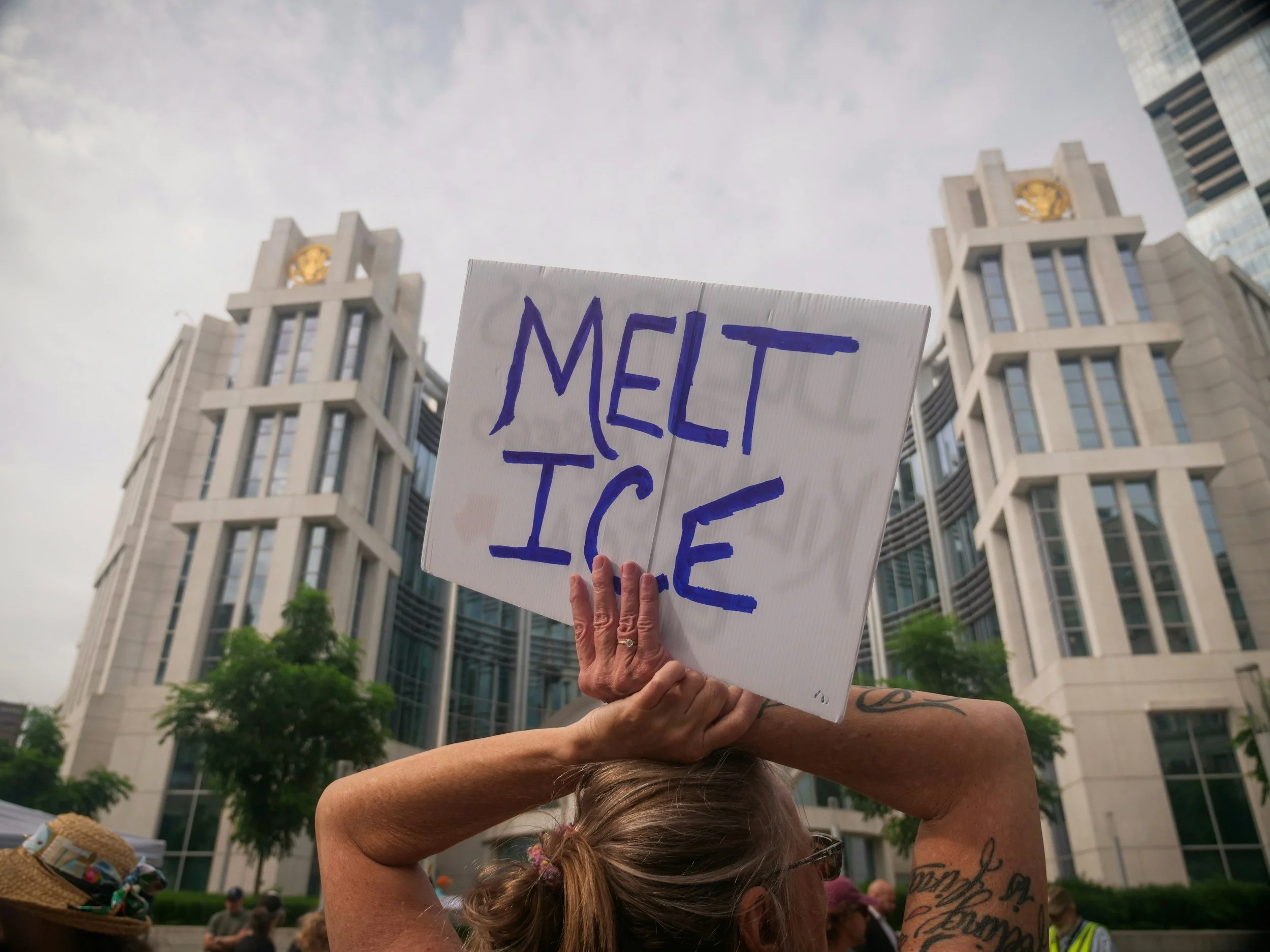
Political violence isn’t only something you see on the news or protest signs. It lives in our bodies. It shows up in constricted breathing, shattered sleep, chronic pain, hyper-vigilance, and nervous systems that never get to switch off. For many white Americans, state violence looks like a headline. For people of color, especially Black, Indigenous, and immigrant communities, it is daily lived experience—a trauma that embeds itself in muscle memory, nervous system regulation, and collective history.
One of the most visceral examples right now is the increasing Immigration and Customs Enforcement (ICE) enforcement in Minnesota. In late 2025 and early 2026, federal authorities deployed what the Department of Homeland Security described as one of the largest immigration enforcement operations in the state’s history. Over 2,000 ICE and related agents were sent into Minneapolis–Saint Paul for so-called “fraud investigations,” while aggressive raids, stops, and detentions proliferated across neighborhoods. (ILCM)
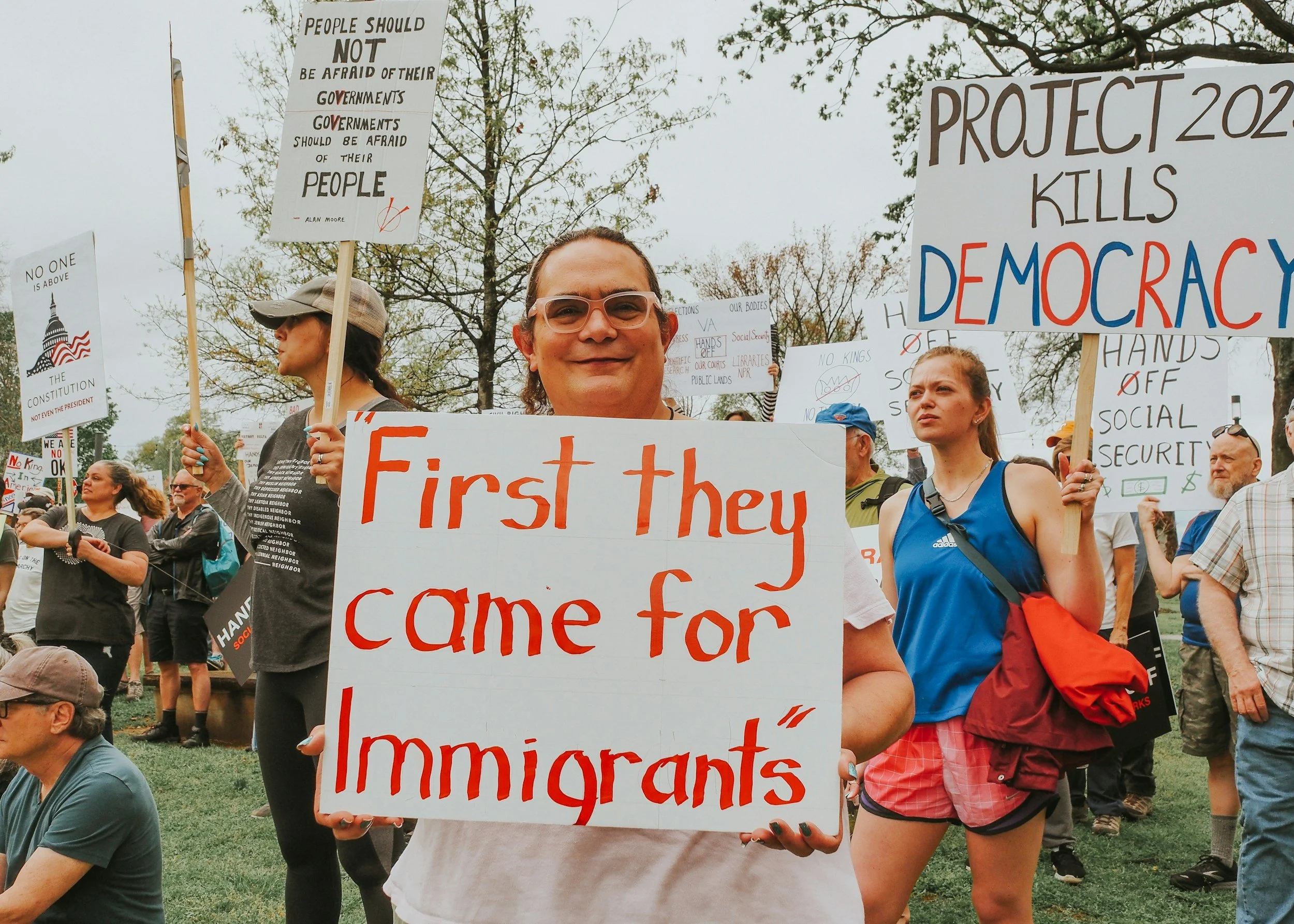
ICE’s Violence Isn’t Abstract — It’s Lived
Violence from immigration enforcement isn’t only about physical force; it’s about visibility, fear, unpredictability, and threat to personhood. In January 2026, an ICE agent shot and killed Renee Nicole Good in Minneapolis during one of these operations. U.S. officials claimed self-defense, but eyewitness videos raise serious questions about that narrative as the vehicle was reportedly moving away from agents when she was shot. (The Guardian) The shooting has energized local leaders and activists to condemn ICE’s presence in the city.
Minnesota officials—including Mayor Jacob Frey—publicly rebuked federal authorities, demanding ICE leave the city as residents grapple with a sense of terror and loss. (People.com) Whether or not you live in Minnesota, it is crucial to recognize that this is not an isolated incident; it’s symptomatic of how state violence is enacted under the guise of law enforcement and policy.
This violence gets under the skin.
Race, Stress, and the Body
Scholars in trauma and embodiment research point out that political and racialized violence affects the body beyond psychology, into somatic expression. Trauma isn’t just a memory; it’s stored in the nervous system, muscles, and physiology. Researchers studying somatic approaches to trauma note that oppression—especially when repeated or systemic—becomes embodied, influencing everything from cardiovascular health to stress reactivity. (PubMed)
For Black, Indigenous, and immigrant communities, this embodied violence is compounded by the cumulative stress of historical trauma, surveillance, and policing. People of color don’t just encounter violent systems; they anticipate them. The body learns danger before the mind does.
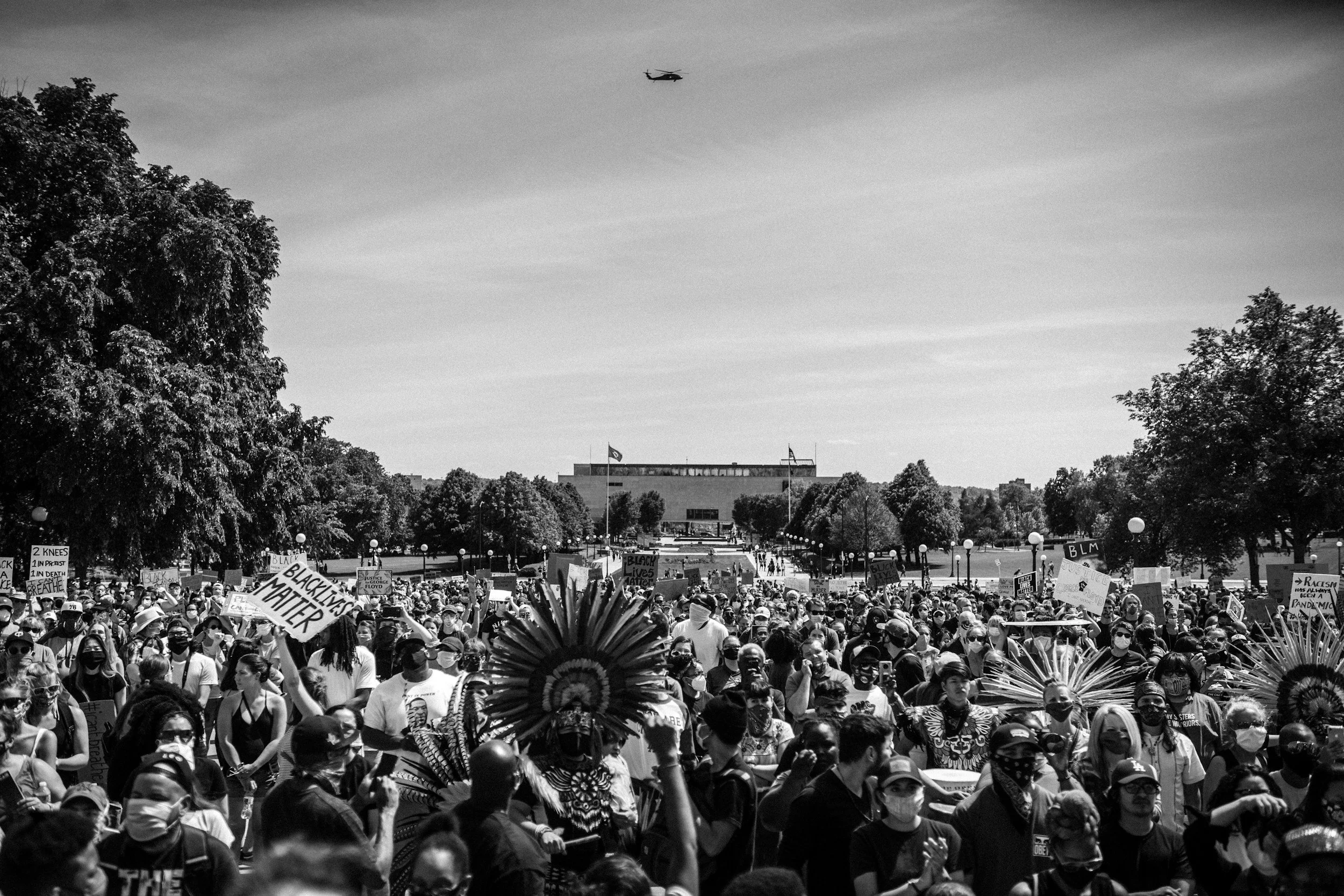
ICE Enforcement and Racialized Trauma in Minnesota
Minnesota’s immigrant communities—particularly Somali and Latino neighborhoods—have experienced ICE actions that contribute to this ongoing bodily threat. State leaders have called portions of the enforcement “chaotic,” “racially motivated,” and counterproductive to community safety. (FOX 9 Minneapolis-St. Paul) Reports include ICE officers detaining U.S. citizens of color simply for walking down the street, despite showing proper identification, and harassing people without transparent legal cause. (https://www.kttc.com)
These experiences aren’t singular “events”; they are patterns of aggression that send a message: some bodies belong to the state’s gaze more than others.
When bodies are treated as threats, they feel like threats. The chronic stress response becomes the norm: fight, flight, freeze, or submit. This is the nervous system learning that vigilance is survival mode.
Bodies Remember What Systems Want Us to Forget
The somatic impact of systemic violence is well documented. Long-term exposure to threat increases the risk of anxiety disorders, hypertension, sleep disruption, and immune dysregulation. It also alters how people perceive danger and safety. When a political system singles out your community for raids, stops, or deadly force, your nervous system learns that your downturn breathing, your posture, your startle reflex are not just psychological—they are protective.
Trauma research emphasizes that the body holds witness to threats long after the immediate danger fades. This is why generational communities affected by racialized policing, immigration enforcement, and state violence have higher rates of PTSD symptoms—even when individuals haven’t been directly attacked. Trauma becomes collective, stored not only in individuals, but in families and neighborhoods.
Why This Matters Beyond Headlines
ICE’s recent surge in Minnesota is a clear example of how political decision-making translates into embodied harm. When an institution uses force disproportionately in neighborhoods of color, it does more than detain or deport—it triggers stress responses that don’t quickly resolve.
This is why civil rights leaders, health advocates, and community members are sounding the alarm. They’re not only protesting a policy—they’re resisting a system that wounds bodies and then expects those bodies to carry on as if nothing happened.
Understanding political violence as somatic helps us see that these aren’t abstract debates. When a community lives under threat, its people live with elevated heart rates, disrupted sleep, and a lowered sense of safety long after the news cycle has moved on.
Political violence lives in bodies.
And for people of color, it hits where the nervous system meets history, memory, and survival.
What You Can Do: From Witnessing to Collective Action
If your body is reacting to this violence, that’s information—not weakness. And while no one is obligated to put themselves at risk, collective action is one of the most powerful antidotes to embodied fear. Being in community reminds our nervous systems that we are not alone.
If you’re in Minnesota, consider getting involved with immigrant-led and community-based organizations already doing this work:
MIRAC (Minnesota Immigrant Rights Action Committee) – organizing, court support, and rapid response
Navigate MN – advocacy, education, and policy work
MN Freedom Fund – bail support for people detained by ICE
Local rapid response networks – neighborhood-based alerts and accompaniment
Getting involved doesn’t have to mean frontline protesting. You can:
Donate or fundraise
Share verified resources
Offer transportation, childcare, or food support
Participate in court watch or accompaniment
Attend community trainings to know your rights and support others
From a trauma-informed lens, community is regulation. Mutual aid, organizing, and showing up in ways that match your capacity help move fear out of isolation and into shared power.
You don’t have to carry this alone.
You don’t have to numb yourself to survive it.
And you don’t have to be perfectly regulated to participate.
Care for your body.
Stand with your neighbors.
And remember: collective action is how we keep each other alive.
If anything in this blog post resonates with you, contact us today to learn more about how we can help support you.

