
❋
Tuesdays
January12- March 30, 2027
Autistic and/or ADHD Adults (18+) in California and Washington.Self-diagnosis is always welcome. Winter 2027
neurodivergent Process Group
Ever feel like you keep running into the same relationship dynamics, even when you’re trying so hard to do things differently?
Or like you want deeper connections but aren’t always sure how to get there without losing yourself in the process?
This group is for Autistic and ADHD adults who want to better understand themselves, explore how they relate to others, and create new possibilities for connection.
Together, we’ll make space to practice vulnerability, get curious about the patterns that keep showing up, and build relationships where you can show up more authentically.
We’ll work on interpersonal skills like:
Advocating for your needs and boundaries
Sharing space while honoring your own needs and the needs of others
Expressing yourself openly and authentically
Asking for and receiving feedback
Navigating conflict, repair, and ruptures in relationships
Building comfort with vulnerability and connection
The goal isn’t to become better at masking or to fit someone else’s idea of “good” relationships. It’s to understand your patterns, expand your options, and build more meaningful connections in ways that feel authentic to you.
The Details
This is a closed group that runs for 12 weeks, every Tuesday (January 12 - March 30, 2027)
Time TBD depending on participant availability (you'll be able to submit your availability below).
For Adults in California & Washington who are Autistics or ADHDers. *self-diagnosis welcome.
Please enroll by December 15th if you'd like to join so our clinicians can meet you and determine if you're a good fit.
Financial Investment:$1,175 for the 12 week winter cycle, which includes intake** ($275), and $75 per session.
Payment can be split into 2 payments (first ½ due at sign up, second 1/2 due at week 6).
There are two reduced fee spots per cycle (one spot is 50% and one is 25%).
We are happy to help you and answer any questions you have.
**a paid intake session with our group facilitators is required to explore your goals, discuss what you’re hoping to gain from the group, and ensure it’s a good fit for your needs. This applies to all participants, including those who have attended our previous groups, including our monthly late diagnosis group.
How does this differ from other groups?
❋ Support Groupsgive people with shared experiences (such as grief, trauma, or addiction) a space to share and support one another. The therapist’s role is usually light, mostly keeping time and ensuring safety.
❋ Psychoeducational groupsare more like classes where the therapist has a set curriculum to teach about a certain topic.
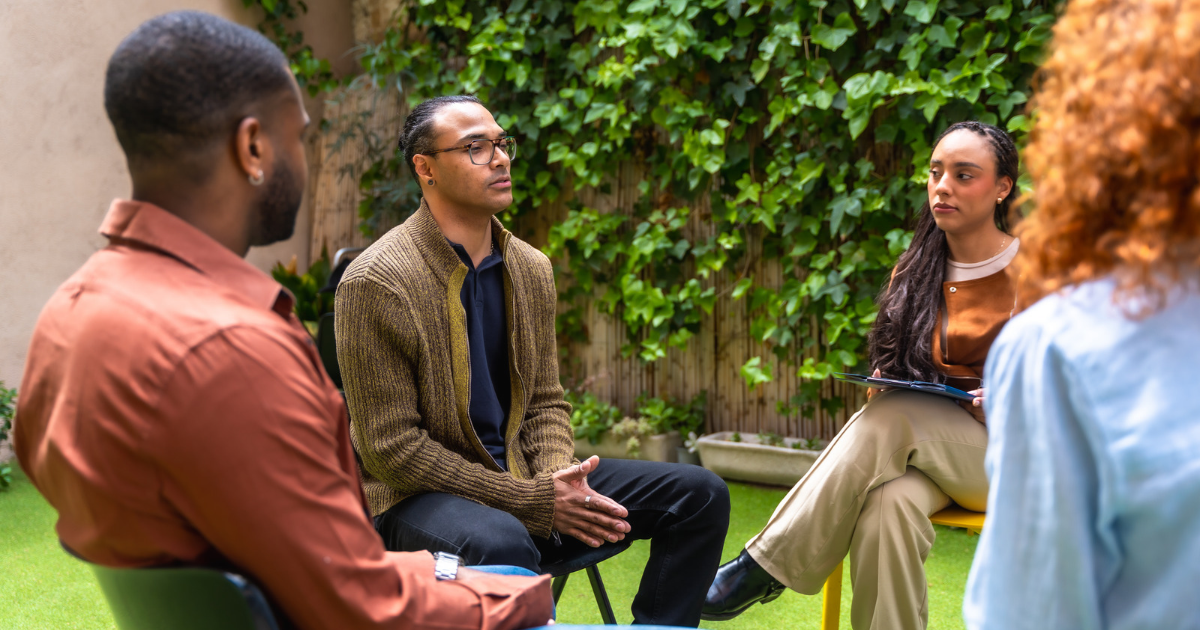
❋ Process groupsare intentionally less structured so that what happens between people in the group becomes the focus. Instead of just talking about what happened at work last week or what’s coming up next month, the group pays attention to what’s happening right now between participants.
WTF is a Process group?
A group of people gathering regularly and instead of sticking to polite small talk, the group intentionally makes space for real, honest, sometimes messy conversation. There are group leaders to help facilitate the conversation flow and navigate anything tricky that comes into play so that participants can share how they’re actually feeling in the moment, including their reactions to one another.

WhY focus on the here & Now?
The focus of a process group is on the real-time interactions between members because that’s where patterns show up. In everyday life, most of us don’t slow down to notice how we come across to others, how we react when someone pulls away, or how we feel in moments of silence.

This is particularly true for Autistic and ADHDer adults who are used to masking what they really feel and think to function in our world.
What that may look like:
Maybe you realize you always rush to fill space when it’s quiet.Maybe you notice you hold back from sharing when someone else is being vulnerable.Maybe you shy away from conflict because you're not sure how to navigate itProcess groups are places to experiment It’s a place to experiment with new ways of relating. If you’re usually passive, here’s a place to practice speaking up. If you’re often quick to jump in, maybe you experiment with holding back. If conflict terrifies you, group gives you the rare chance to lean in, knowing the therapists and other members are committed to keeping the space safe.
How cool is that?!
These experiments might feel small in the moment, but they create huge ripple effects outside of the group.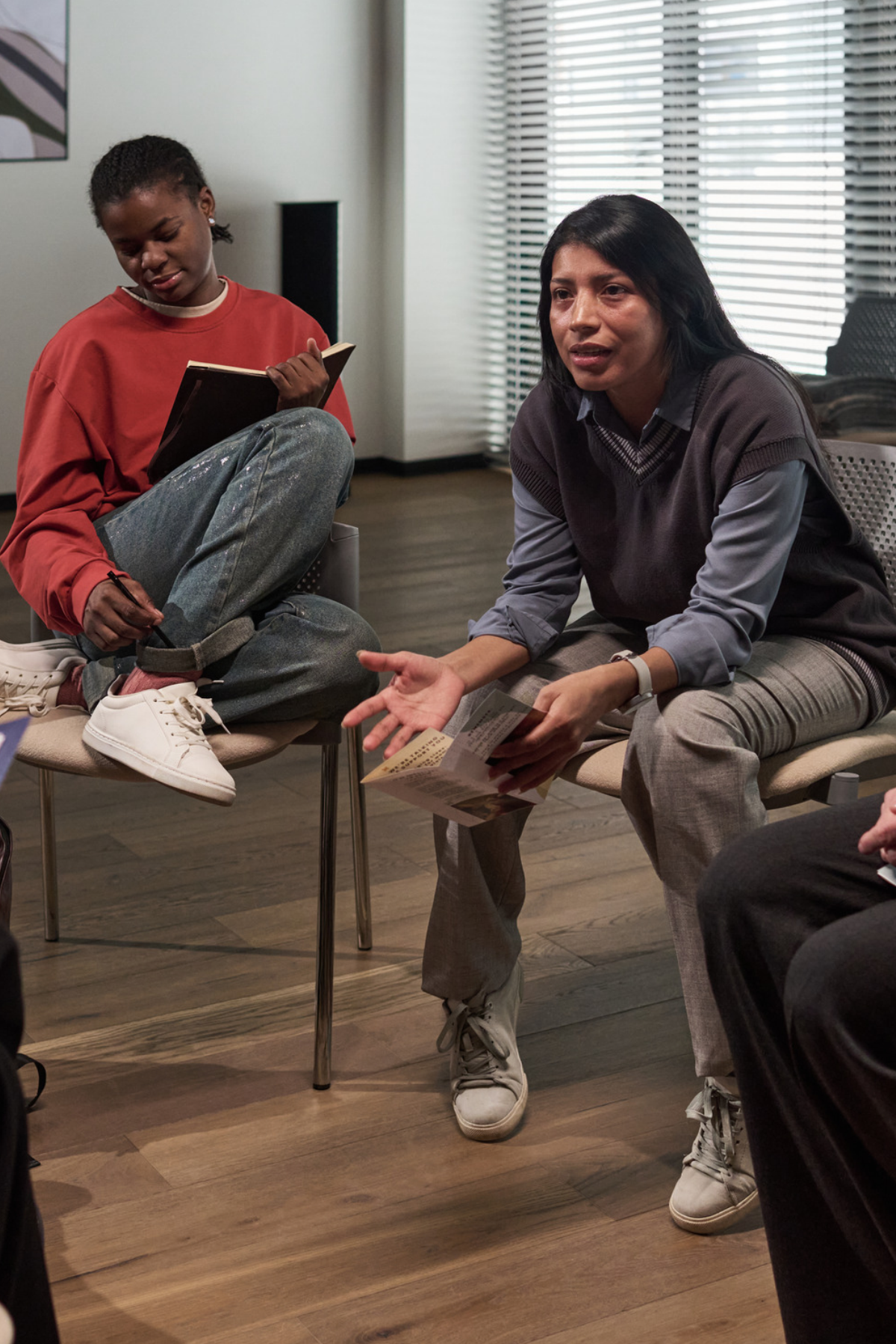
Process Groups are places to experiment

What are the benefits of a process group?
Over time, process groups offer chances to:Notice the defenses that get in the way of connection.
Explore old relational wounds that pop up as “transference” (reacting to someone in group as if they were your dad, your ex, or your boss).
Discover your unique lens or filter on the world and test out whether it holds up in the group’s shared reality.
Learn what actually increases (or decreases) closeness in relationships, and practice those skills in real time.Your Facilitators
-
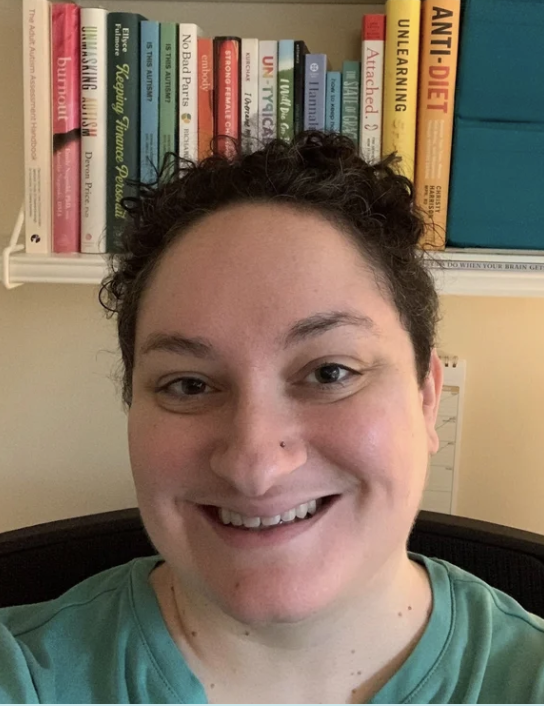
Tee Koro, LMFT
Tee works with late identified Autistic and ADHD adults who are exploring how their brain works after a lifetime of masking. Many of Tee’s clients come to therapy to recover from burnout, understand their sensory needs, and build a sustainable neurodivergent life. Tee offers virtual therapy and assessments to California residents.
Tee is a Licensed Marriage and Family Therapist and Licensed Educational Psychologist, because they couldn’t choose just one career path. Professionally, they find a lot of meaning in supporting newly-realized Autistic and ADHDer adults on their post-diagnosis journey. As a late identified AuDHDer, Teresa has been through the same process, so they really get it. They blend professional knowledge and lived experience to help their clients understand their brain, make peace with their many parts, and find ways to live a sustainable neurodivergent life. Outside of nerding-out over brains and stuff, Tee is an avid reader, singer, and lover of word games.
As a queer and disabled clinician, Tee values disability justice, fat liberation, and abolition, and these topics often come up in the therapy room. Therapy is a great space to discuss how broader systems and environments affect mental health. But it’s not serious all the time - you can also find Tee cracking jokes that land approximately 40% of the time.
Tee’s style is collaborative, and sessions typically flow naturally based on the client’s needs that day. Having a bad day and need to vent? No problem. Super overstimulated and losing words? Totally get that. Need to just body double and do some art together? Absolutely. No matter how you show up, Tee will meet you with respect, compassion, and authenticity.
Tee holds a Master’s in Counseling from California State University, East Bay, where they completed a dual degree in School Psychology and Marriage and Family Therapy. They’re independently licensed as a therapist (LMFT#154169) and educational psychologist (LEP#4525) and love the creativity that comes with a dynamic work flow. Tee has completed advanced training in neuro-affirming care and is always learning something new. They have worked in the mental health field for 10 years and especially enjoy working with individuals in their 20s, 30s, and 40s.
-
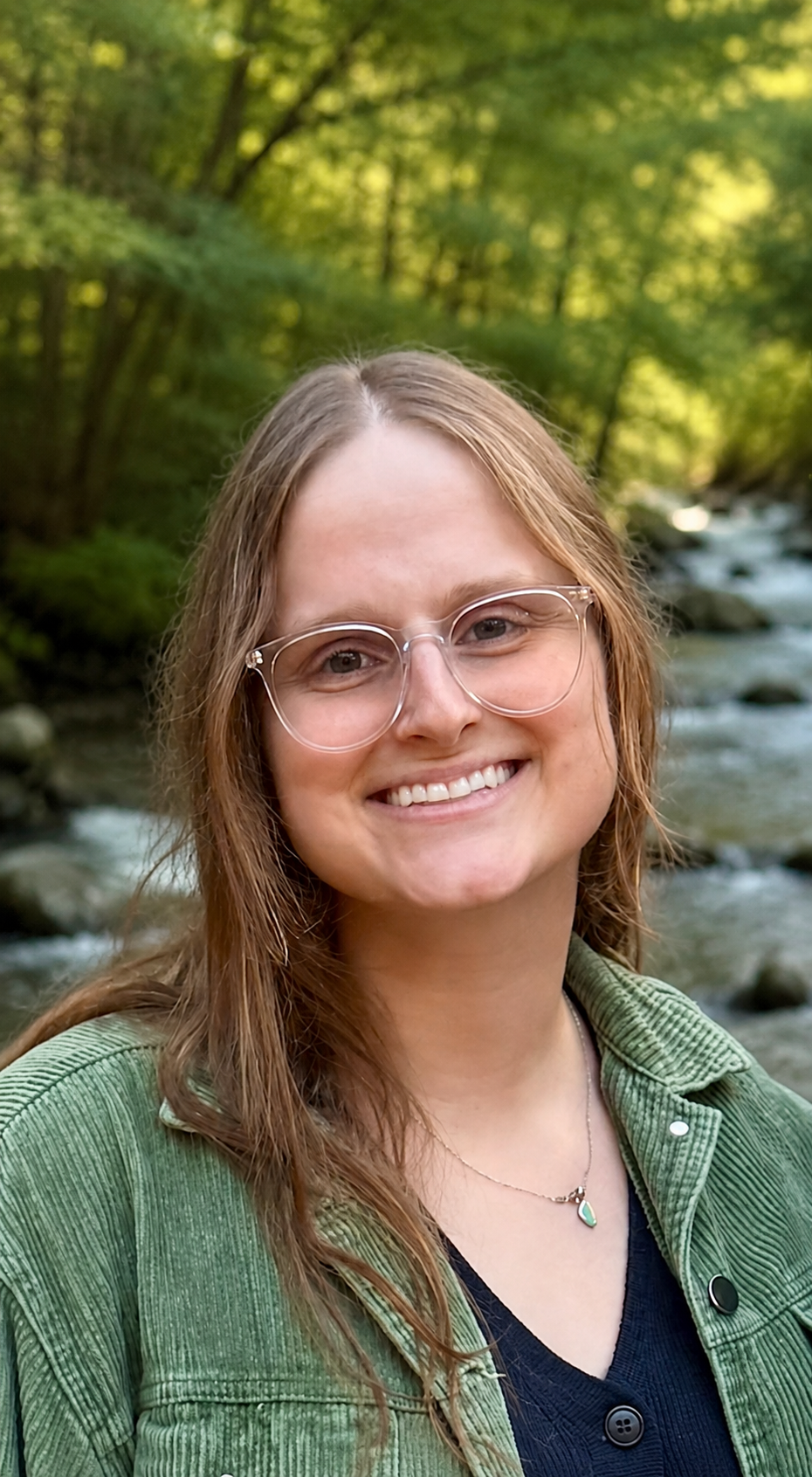
Erin Bonham, MA
Erin is a fourth-year clinical psychology doctoral student at University of La Verne, where she also earned her Master of Science in Psychology. Prior to graduate school, she received a Bachelor of Arts in Psychology with a minor in disability studies. She has since provided crisis intervention, therapy, and assessment services in community mental health settings with culturally and neurologically diverse children, teens, adults, and families coping with depression, anxiety, trauma, grief, and life transitions. Through her work, she has become passionate about embracing and celebrating her clients for their unique strengths, while affirming their personal identities and experiences. She strives to create space for her clients to show up as their authentic selves and explore ways to improve their quality of life.
As a queer, late-diagnosed AuDHD therapist and assessor she brings her personal experience and insight into helping other LGBTQIA+ and/or Neurodivergent individuals understand and embrace their true selves and navigate oppressive and ableist environments. Her approach to therapy is holistic, person-centered, and collaborative. She believes that the goal of assessment is to facilitate self-understanding, highlight individual strengths, and provide suggestions for ways to build environments that accommodate a person’s unique neurotype.
When she is not serving clients, working on her research on neurodiversity-affirming clinical practice, or taking classes, she enjoys watching horror movies, snuggling her tiny dog, hiking, playing her Nintendo Switch, and nerding out on podcasts and audiobooks. She is excited to continue learning about and providing neurodiversity-affirming care to her clients.
Is this for me?
This group is for you if you're an Autistic or ADHDer adult who:
knows how you show up in relationships
wants to change but don’t know how or where to start
wants to unmask and be yourself in social situations but don’t know who that is exactly
